This RFP provides an example of how multiple organizations can aggregate demand to procure community-scale solar projects. Facilitated by RMI through the ROCSPOT initiative, the document outlines project requirements, financing terms, evaluation criteria, stakeholder roles, and indicative power purchase agreement terms designed to support approximately 16 MW of community solar capacity.
Request for Information: From Prospective Project Managers in the Oregon Community Solar Program Regarding City of Portland as a Major Subscriber
This RFI provides an example of how a local government can evaluate community solar opportunities and participate as a major subscriber. The document outlines project objectives, utility and interconnection considerations, equity and low-income participation goals, and procurement strategies that can inform future community solar solicitations and partnerships.
Request for Information: City of Chicago Municipal Electricity Supply, including Renewable Generation Resources
This RFI provides an example of how a local government can gather market information and evaluate options for municipal electricity supply and renewable energy procurement. The document outlines procurement objectives, project requirements, funding assumptions, risk considerations, and submission guidelines that can inform future renewable energy solicitations.
Request for Proposal: City of Detroit-Locally-Sited Utility Scale Solar Photovoltaic Systems
This RFP provides an example of how a local government can procure locally sited utility-scale solar photovoltaic projects. The solicitation includes project requirements, evaluation criteria, community benefits provisions, and multiple financing and ownership structures, including traditional ownership, build-transfer agreements, and virtual power purchase agreements.
Seeking Federal Funding; a Guide for Local Governments
City and County EECBG Grant Calculator – Direct Formula EECBG Funding Allocation Estimates for Local Governments

This Excel spreadsheet calculator provides funding estimates for cities and counties who will be eligible for direct formula funding through the Department of Energy’s (DOE’s) Energy Efficiency and Conservation Block Grant Program (EECBG). The calculator uses DOE formulas and recent census data to generate EECBG grant estimates. The calculator is a near-term pre-planning tool for cities and counties to gain insight into projected funding amounts prior to DOE’s official publication of final funding allocations later in 2022.
Note: Users should ‘Enable Macros’ to ensure functionality within the calculator.
The (Blue) Sky’s the Limit: Explore New Opportunities for State-Led Energy Leadership

This webinar convened U.S. state practitioners for a learning opportunity focused on how the State Energy Program (SEP) grant program, as re-authorized through the IIJA, creates an innovative landscape for states to fund ambitious climate projects over the next four years and address climate equity issues. The discussion drew on existing innovation, highlighting examples in which states have ambitiously used SEP funds on decarbonization and climate equity programs.
Community Solar+: How the Next Generation of Community Solar Can Unlock New Value Streams and Help Communities Pursue Holistic Decarbonization
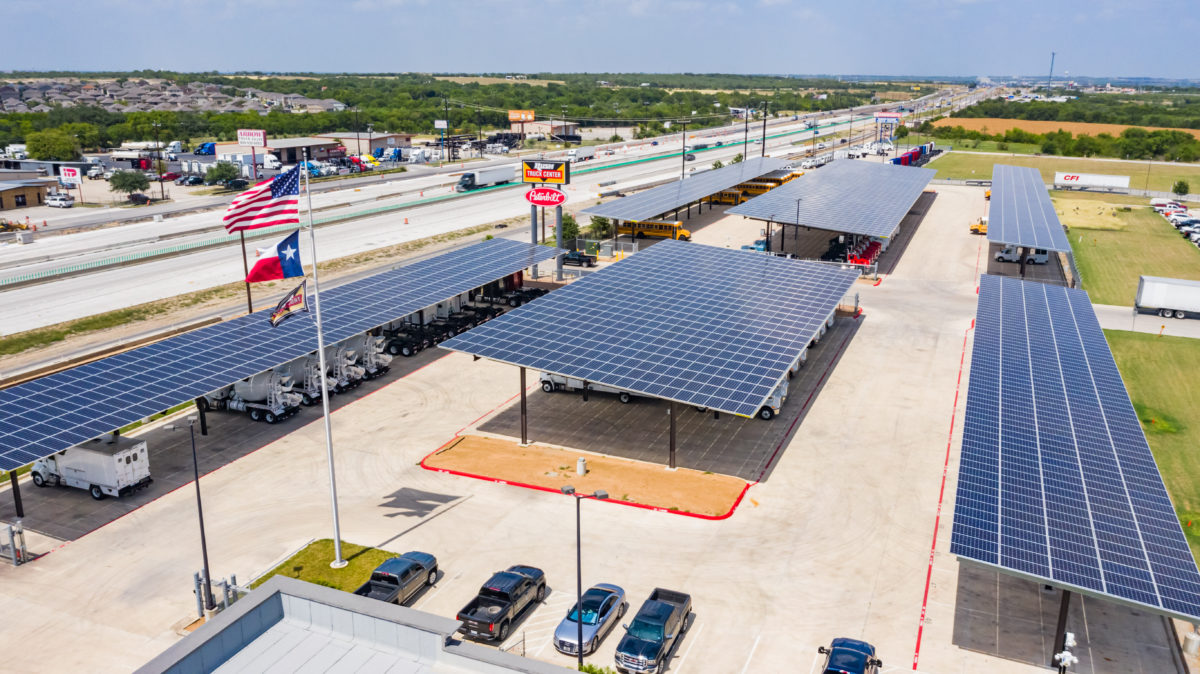
RMI’s report introduces a vision for the next generation of community solar. Community Solar+ is a whole-systems approach to deliberately plan and deploy community solar projects to embrace added value streams, capture greater economies of scale, and advance additional community-wide sustainability and equity goals. Community Solar+ is a way to do more with less by designing projects to also help build out electric vehicle charging infrastructure, align the grid for an electrified future, mitigate urban heat island effects, and more. The report is targeted at state and local governments, utilities, developers, and community members.
Procuring Large-Scale Renewables through Aggregation: A Guide for Local Governments
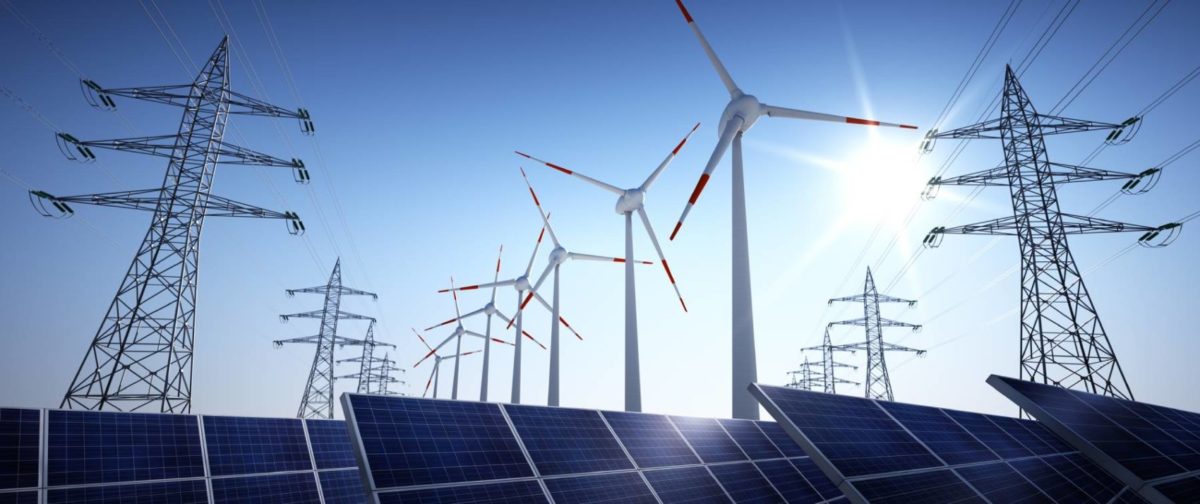
This guide outlines how local governments can pursue buyer-led aggregated PPAs for utility-scale renewable projects. It includes the benefits of aggregation, off-site procurement options available to aggregation groups, and case studies of five successful aggregated renewables procurements. The guide also presents a seven-step process to guide local governments to pursue an aggregated procurement.
U.S. Department of Energy’s Weatherization Assistance Program (WAP)
DOE’s WAP provides funding and technical assistance to states, territories, and the District of Columbia to help low-income families reduce energy consumption and costs by increasing the energy efficiency of their homes. It is the largest residential whole-house energy efficiency program in the United States.